
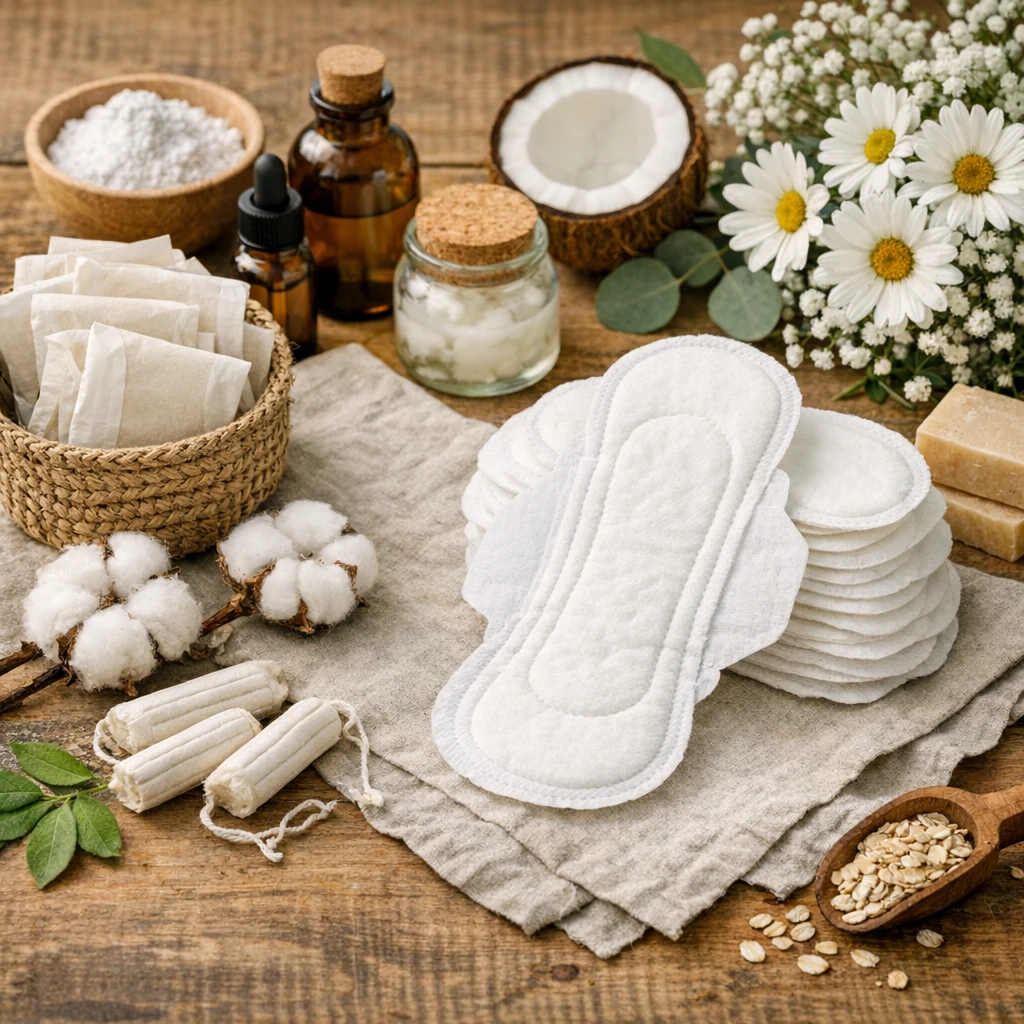
Are you considering a switch to organic sanitary pads? This shift can contribute not only to personal health but also to environmental sustainability. Organic sanitary pads are made from natural materials, free from chemicals and synthetics, providing a safer option for menstrual hygiene.
Table of Contents
- What Makes Organic Sanitary Pads a Preferred Choice?
- Benefits of Switching to Organic Sanitary Pads
- How to Choose the Right Organic Sanitary Pad?
- Comparing Organic and Non-Organic Pads
- Key Takeaways
- FAQs About Organic Sanitary Pads
- Are organic sanitary pads more expensive than regular pads?
- Can organic sanitary pads cause irritation?
- How often should I change my organic sanitary pad?
What Makes Organic Sanitary Pads a Preferred Choice?
Organic sanitary pads are crafted from environmentally friendly materials such as cotton, bamboo, and other biodegradable components. These materials are grown without the use of harmful pesticides or chemicals, making them a healthier choice for both the body and the planet.
- Chemical-Free Comfort: No chlorine, dioxins, or other harsh chemicals are used in the manufacturing process.
- Skin-Friendly: Ideal for those with sensitive skin, reducing the risk of rashes and allergic reactions.
- Eco-Friendly: Biodegradable materials contribute to less environmental waste.
Benefits of Switching to Organic Sanitary Pads
Choosing organic sanitary pads over traditional options has numerous benefits:
- Healthier Menstrual Cycle: Organic pads contain natural fibers that are breathable and can potentially lead to a healthier menstrual cycle.
- Reduced Environmental Impact: With biodegradable materials, these pads help in reducing landfill waste.
- Support for Organic Farming: By choosing organic pads, you support the organic farming industry, which has a lesser environmental footprint.
How to Choose the Right Organic Sanitary Pad?
When selecting organic sanitary pads, consider the following factors to ensure you find the best fit for your needs:
- Material: Look for pads made from 100% organic cotton or bamboo.
- Comfort: Choose a pad with a design that fits securely and comfortably.
- Absorbency: Match the absorbency level with your menstrual flow needs.
- Certifications: Check for certifications like GOTS (Global Organic Textile Standard) to ensure product authenticity.
Comparing Organic and Non-Organic Pads
Understanding the differences between organic and non-organic pads can help you make an informed decision:
- Materials: Non-organic pads often contain synthetics and plastics, whereas organic pads use natural fibers.
- Production Process: Organic pads are produced with minimal chemical intervention.
- Disposal: Organic pads are generally more biodegradable than non-organic options.
Key Takeaways
- Organic sanitary pads offer a chemical-free, biodegradable option for menstrual hygiene.
- They are gentle on the skin and support environmental sustainability.
- Choosing the right pad involves considering material, comfort, absorbency, and certifications.
FAQs About Organic Sanitary Pads
Are organic sanitary pads more expensive than regular pads?
Initially, organic pads may cost more due to the quality of materials and sustainable production practices. However, considering their benefits for health and the environment, they offer good value.
Can organic sanitary pads cause irritation?
Organic sanitary pads are less likely to cause irritation due to their natural and chemical-free materials, making them suitable for sensitive skin.
How often should I change my organic sanitary pad?
Like any sanitary pad, it is recommended to change your organic pad every 4 to 6 hours, depending on your flow, to maintain hygiene and comfort.
Switching to organic sanitary pads can be a healthier, more eco-friendly choice for menstrual care. With a variety of products available, finding one that suits your needs while contributing to environmental sustainability is easier than ever.