
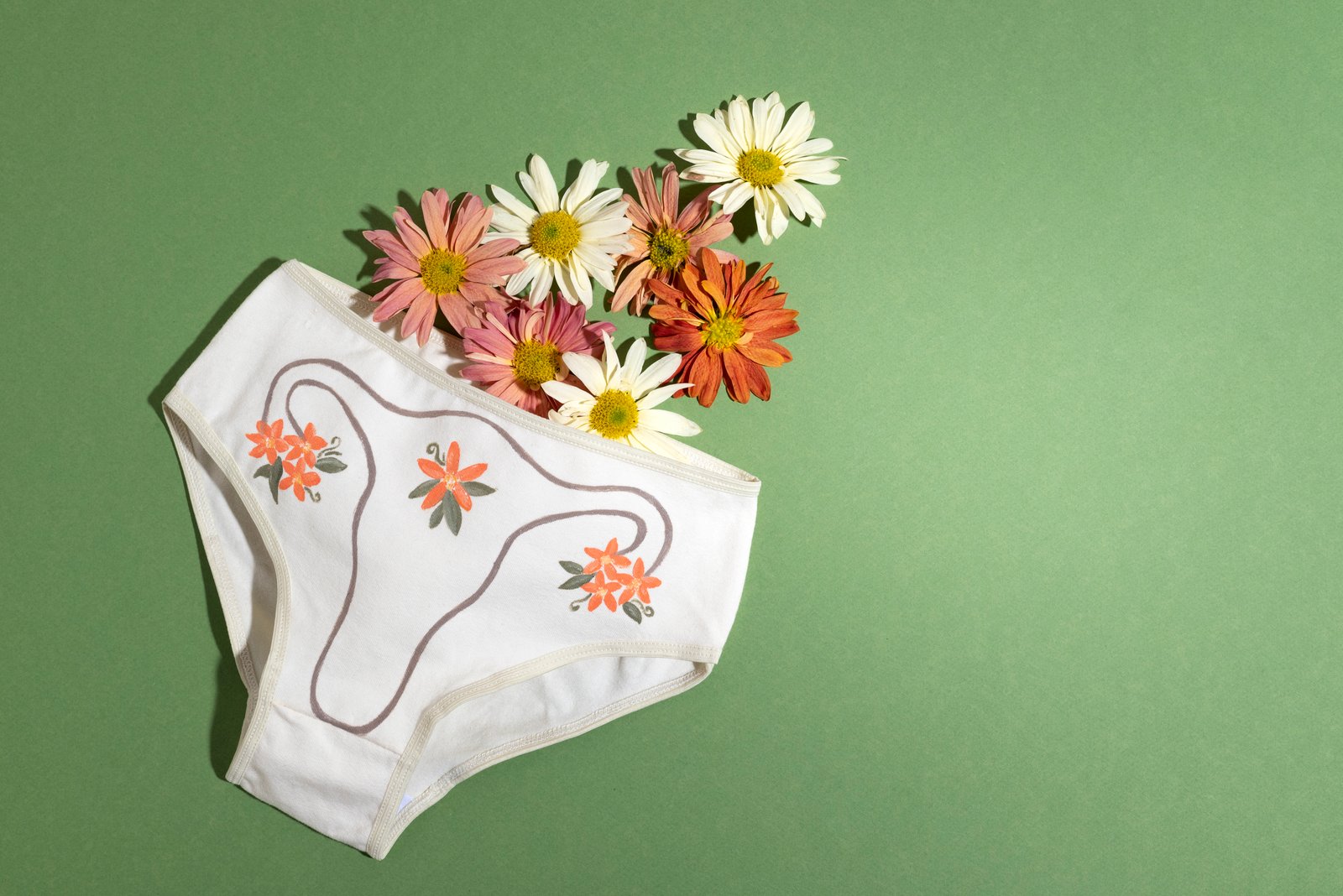
Are you still using conventional menstrual pads made with synthetic materials and hidden chemicals? Organic pads offer a safer, more comfortable alternative—free from chlorine, fragrances, dyes, and plastic. Designed with your health and the environment in mind, these pads are crafted from natural, biodegradable materials like organic cotton, ensuring a cleaner, gentler experience during your cycle.
Table of Contents
- What Exactly Are Organic Pads?
- Key Features of Organic Pads
- Health Benefits of Switching to Organic Pads
- Environmental Impact: A Greener Period
- How Organic Pads Compare to Regular Pads
- Are Organic Pads as Effective as Regular Pads?
- How to Choose the Right Organic Pad
- Key Takeaways
- FAQ
- Are organic pads safe for daily use?
- Do organic pads prevent odor better than regular pads?
- Can I flush organic pads?
What Exactly Are Organic Pads?
Organic pads are menstrual products made primarily from certified organic cotton or other natural fibers. Unlike standard pads, they contain no synthetic plastics, petroleum-based absorbents, or chemical additives. The cotton used is grown without pesticides or genetically modified organisms (GMOs), and the manufacturing process avoids harsh bleaching agents like chlorine.
These pads are designed to be breathable, hypoallergenic, and free from toxins that can disrupt your body’s natural balance. Whether you have sensitive skin or simply want to reduce your exposure to unnecessary chemicals, organic pads provide a clean, reliable solution.
Key Features of Organic Pads
- 100% Organic Cotton Top Sheet: Soft, chemical-free layer that touches your skin.
- Biodegradable Materials: Many brands use plant-based backings and wrappers that break down naturally.
- No Synthetic Fragrances or Dyes: Reduces risk of irritation and allergic reactions.
- Chlorine-Free Processing: Prevents the formation of harmful dioxins.
- Plastic-Free Options: Some brands eliminate plastic entirely, using compostable materials instead.
Health Benefits of Switching to Organic Pads
Your vaginal area is highly absorbent, making it especially vulnerable to chemicals found in conventional pads. Studies suggest that long-term exposure to synthetic materials and fragrances may contribute to irritation, rashes, and even hormonal imbalances.
Organic pads eliminate these risks by using only natural, non-toxic materials. The absence of synthetic fragrances and dyes means less chance of developing contact dermatitis or yeast infections. For women with conditions like endometriosis or vulvodynia, organic pads can significantly reduce discomfort during menstruation.
Additionally, organic cotton is naturally breathable, which helps regulate moisture and prevent bacterial growth—key factors in maintaining vaginal health.
Environmental Impact: A Greener Period
Conventional menstrual pads can take up to 800 years to decompose due to their plastic content. In contrast, many organic pads are designed with sustainability in mind. Brands often use compostable packaging and plant-based materials that break down in months, not centuries.
By choosing organic pads, you’re not only protecting your body but also reducing plastic waste and supporting eco-friendly farming practices. Organic cotton farming uses less water and avoids harmful pesticides, promoting healthier soil and ecosystems.
How Organic Pads Compare to Regular Pads
- Material: Organic cotton vs. synthetic fibers and plastic.
- Decomposition Time: Months to a few years vs. centuries.
- Chemical Exposure: Minimal to none vs. potential exposure to chlorine, fragrances, and dyes.
- Skin Sensitivity: Ideal for sensitive skin vs. higher risk of irritation.
Are Organic Pads as Effective as Regular Pads?
Absolutely. Modern organic pads are engineered to match or exceed the absorbency and leak protection of conventional products. Many feature multi-layer designs with high-absorbency cores made from natural materials like bamboo or cornstarch.
Brands such as Natracare, Lola, and Rael have gained popularity for their reliable performance and commitment to clean ingredients. Users report fewer leaks, better comfort, and improved skin health after switching.
Some organic pads even come with wings and adhesive strips for secure placement, just like traditional pads—proving that sustainability doesn’t mean sacrificing functionality.
How to Choose the Right Organic Pad
With so many options available, selecting the best organic pad depends on your flow, lifestyle, and preferences. Here’s what to consider:
- Absorbency Level: Choose light, regular, super, or overnight based on your flow.
- Material Certifications: Look for GOTS (Global Organic Textile Standard) or USDA Organic labels.
- Plastic-Free Claims: Verify if the entire product—including packaging—is plastic-free.
- Comfort and Fit: Try different brands to find one that stays in place and feels soft against your skin.
- Price and Availability: While organic pads may cost slightly more, bulk purchases and subscription services can reduce expenses.
Key Takeaways
- Organic pads are made from natural, chemical-free materials like organic cotton.
- They reduce exposure to toxins, fragrances, and synthetic plastics.
- Ideal for sensitive skin and environmentally conscious consumers.
- Equally effective in absorbency and leak protection as conventional pads.
- Look for certifications and plastic-free options when shopping.
FAQ
Are organic pads safe for daily use?
Yes. Organic pads are designed for daily use during menstruation. They are free from harmful chemicals and gentle on sensitive skin, making them a safe choice throughout your cycle.
Do organic pads prevent odor better than regular pads?
While organic pads don’t contain added fragrances to mask odor, their breathable design helps reduce moisture buildup—a common cause of odor. Many users notice less unpleasant smell compared to scented conventional pads.
Can I flush organic pads?
No. Even biodegradable organic pads should not be flushed. They should be disposed of in the trash or composted if the brand specifies compostability and local facilities support it.