
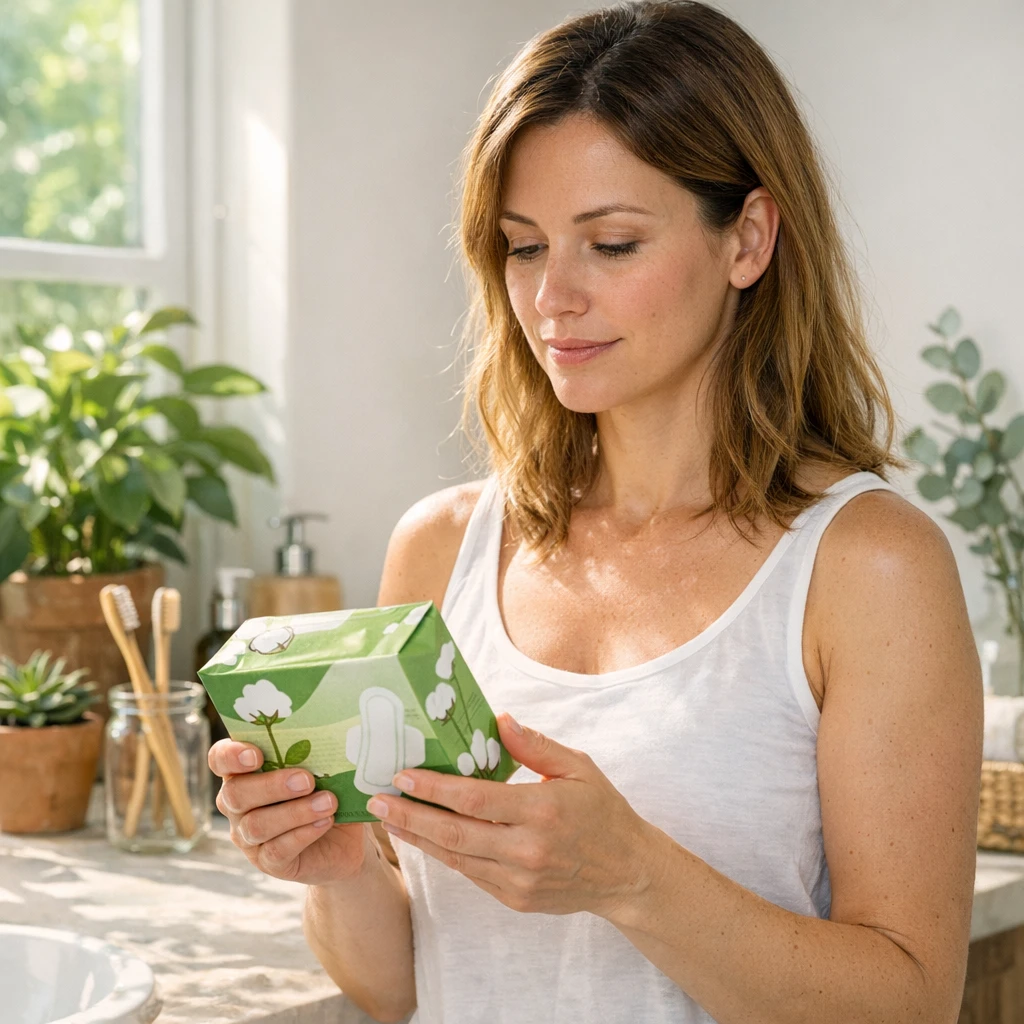
If you’re looking for a safer, healthier period product, organic pads are the answer. Made from 100% natural materials like organic cotton, these menstrual pads are free from synthetic fibers, chlorine, fragrances, and harsh chemicals. Unlike conventional pads that may contain plastics and toxins, organic pads prioritize your body’s well-being and environmental sustainability. They’re designed for comfort, breathability, and peace of mind—especially for those with sensitive skin or allergies.
More women are making the switch to organic pads not just for health reasons, but also to reduce their environmental footprint. With growing awareness about what goes into period products, organic pads offer a clean, transparent alternative. Whether you’re new to sustainable menstruation or simply curious about cleaner options, understanding the benefits of organic pads is the first step toward a healthier cycle.
Table of Contents
- Key Benefits of Using Organic Pads
- How Organic Pads Differ from Regular Pads
- Absorbency and Performance
- Environmental Impact of Organic Pads
- Who Should Use Organic Pads?
- Key Takeaways
- FAQ About Organic Pads
- Are organic pads more expensive than regular pads?
- Can organic pads handle heavy flow?
- Are organic pads safe to use with an IUD?
Key Benefits of Using Organic Pads
Organic pads stand out for several important reasons. First and foremost, they’re made from certified organic cotton, grown without pesticides or synthetic fertilizers. This means fewer irritants and a lower risk of rashes, itching, or infections. Because they’re free from artificial fragrances and dyes, they’re ideal for people with sensitive skin or conditions like eczema.
- Chemical-free materials: No chlorine bleaching, no dioxins, no synthetic fragrances.
- Breathable and comfortable: Natural cotton allows air circulation, reducing moisture buildup.
- Biodegradable options available: Many organic pads break down naturally, unlike plastic-based disposables.
- Hypoallergenic: Gentle on the skin, reducing the risk of irritation.
- Eco-friendly: Lower environmental impact from production to disposal.
How Organic Pads Differ from Regular Pads
At first glance, organic pads may look similar to regular pads, but the differences run deep. Conventional pads often contain a mix of plastics, superabsorbent polymers (SAP), and chemical additives to enhance absorbency and scent. These materials can trap heat and moisture, creating a breeding ground for bacteria and increasing the risk of infections like bacterial vaginosis or yeast overgrowth.
In contrast, organic pads use natural, plant-based materials. The top layer is usually made of certified organic cotton, which is soft, absorbent, and non-irritating. Some brands also use bamboo or other sustainable fibers for added strength and absorbency. The absence of synthetic chemicals means your body isn’t exposed to potential endocrine disruptors or allergens commonly found in mainstream brands.
Absorbency and Performance
One common concern is whether organic pads can match the absorbency of regular pads. The answer is yes—many organic pads offer comparable or even superior performance. Brands like Natracare, Organyc, and Rael use advanced layering techniques with organic cotton and plant-based SAPs to ensure reliable protection without compromising safety.
They come in various sizes and thicknesses, from ultra-thin liners to overnight pads, so you can choose based on your flow. Some are also designed with wings for extra security and leak protection. Whether you’re active, working long hours, or traveling, organic pads provide dependable coverage without the synthetic feel.
Environmental Impact of Organic Pads
Choosing organic pads isn’t just good for your body—it’s good for the planet. Traditional menstrual products contribute significantly to plastic waste. A single person can use over 11,000 disposable pads in their lifetime, most of which end up in landfills and take hundreds of years to decompose.
Organic pads, especially those made with biodegradable or compostable materials, help reduce this burden. Many brands use recyclable packaging and avoid plastic applicators or wrappers. Some even offer plastic-free, individually wrapped options. By switching to organic, you’re supporting sustainable agriculture and reducing pollution from synthetic materials.
Additionally, organic farming practices protect soil health and water systems by avoiding toxic pesticides. This means cleaner rivers, healthier ecosystems, and a smaller carbon footprint overall. It’s a small change with a big impact.
Who Should Use Organic Pads?
Organic pads are suitable for nearly everyone, but they’re especially beneficial for certain groups. If you have sensitive skin, allergies, or a history of vaginal irritation, organic pads can provide relief. They’re also a great choice during pregnancy, postpartum, or when recovering from medical procedures, when the body is more vulnerable.
Teenagers starting their periods may also benefit from using organic pads to establish healthy habits early. Parents looking for safer options for their daughters often prefer organic products due to their transparency and natural ingredients.
Even if you don’t have sensitivities, choosing organic pads supports ethical production and environmental responsibility. It’s a conscious decision that aligns with a healthier lifestyle and a more sustainable future.
Key Takeaways
- Organic pads are made from natural, chemical-free materials like organic cotton.
- They reduce the risk of skin irritation, infections, and allergic reactions.
- They offer comparable absorbency and comfort to conventional pads.
- Organic pads are better for the environment, with biodegradable and plastic-free options.
- Ideal for sensitive skin, eco-conscious users, and those seeking safer menstrual products.
FAQ About Organic Pads
Are organic pads more expensive than regular pads?
Organic pads may cost slightly more upfront, but many brands offer competitive pricing, especially when bought in bulk or through subscription services. The long-term health and environmental benefits often outweigh the initial cost difference.
Can organic pads handle heavy flow?
Yes, many organic pad brands offer high-absorbency options designed for heavy flow or overnight use. Look for pads labeled “super” or “overnight” and check user reviews for real-world performance.
Are organic pads safe to use with an IUD?
Yes, organic pads are safe to use with an IUD. Since they don’t contain harsh chemicals or synthetic materials, they won’t interfere with your contraceptive device or increase the risk of complications.