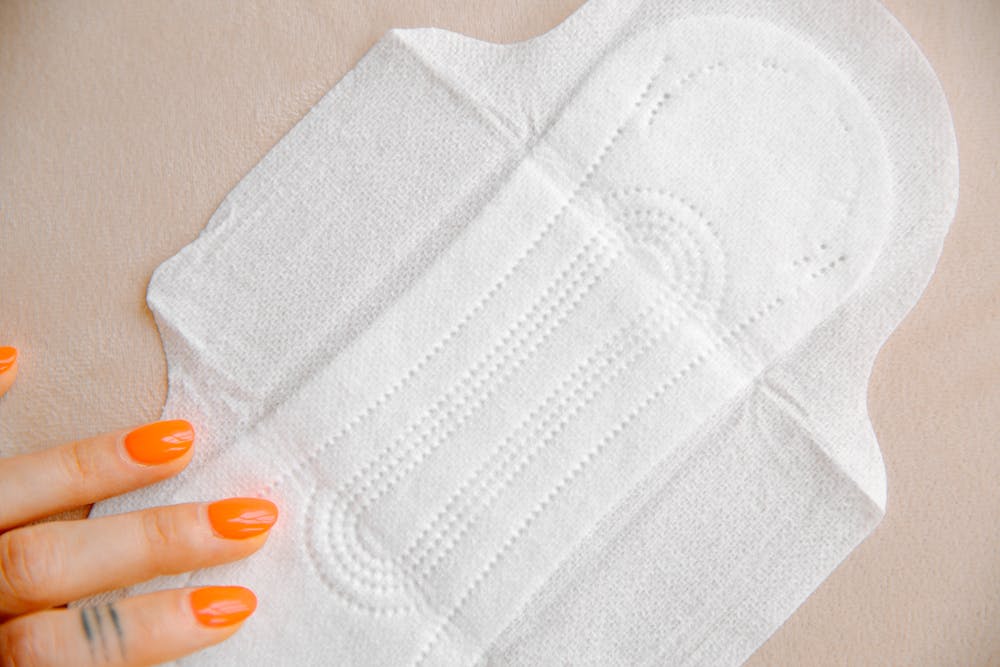
The UAE has taken strong steps toward a greener future. In 2023, President Sheikh Mohamed bin Zayed declared it the “Year of Sustainability.” The country continues to move toward its net zero goals by 2050. Single-use plastics are being banned step by step. Abu Dhabi alone saved 450,000 plastic bags per day since 2022. However, conventional sanitary napkins contain hidden plastic. One pack contains about 36 grams of plastic. That equals around five plastic carrier bags per pack. When you break it down, one pad can equal about four plastic bags. This hidden waste adds up quickly every month. This is one major reason more women are switching to organic sanitary pads.
The Landfill Reality in a Dry Climate
Plastic waste is already a global issue. In the UAE, the problem is even more serious. The country has a dry and arid climate. Low moisture slows down decomposition. This means plastic waste remains in landfills for a very long time.
Conventional sanitary pads can take between 500 and 800 years to break down. In dry conditions like the UAE, they may last even longer. Every month, used pads collect in landfills without fully degrading. The plastic layers remain almost unchanged.
Why UAE Consumers Are Switching to Organic Sanitary Pads
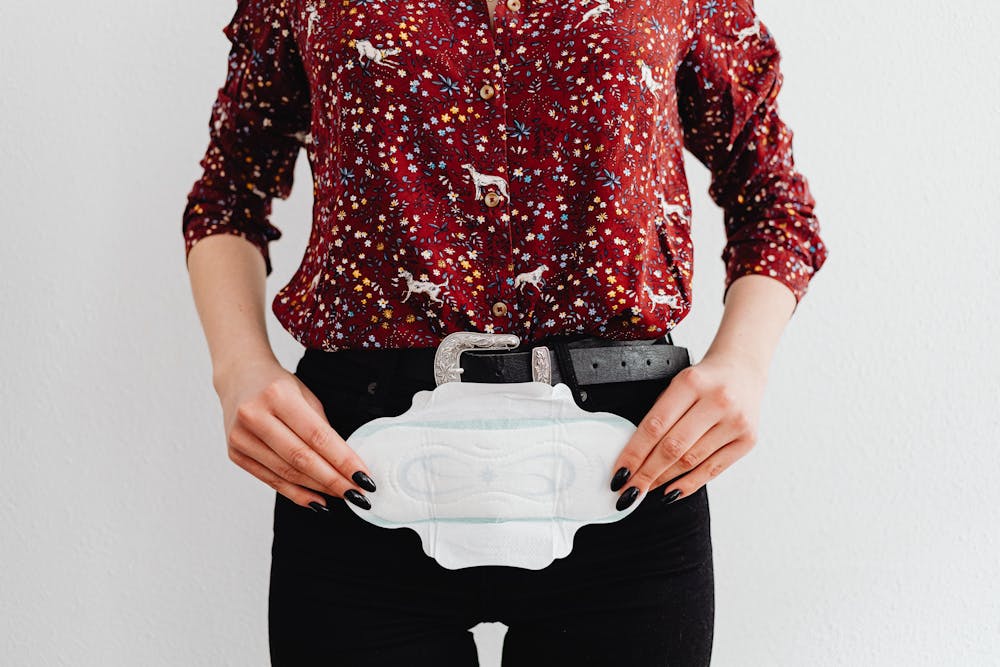
The change is already happening. The UAE biodegradable sanitary napkins market reached USD 150 million in 2023. It is projected to grow at a strong 12 percent compound annual rate over the next five years. Over 67 percent of urban female consumers in the UAE prefer biodegradable menstrual products. Many are even willing to pay more for safer and eco-friendly options.
Globally, the organic pads market is projected to grow from USD 3.02 billion in 2025 to USD 4.51 billion by 2031. This steady rise shows that the movement is not temporary. It is becoming the new normal.
Organic Sanitary Pads vs Biodegradable: What Is the Difference?
Organic usually means the top layer that touches the skin is made from cotton grown without harmful chemicals. This protects sensitive skin from irritation caused by synthetic materials.
Biodegradable goes further. It means the entire pad, including the back sheet, can break down naturally. Biodegradable organic pads use plant-based materials that decompose much faster.
While conventional pads may sit in landfills for 500 plus years, biodegradable alternatives can break down within one to five years. In ideal conditions, it can happen even faster. This makes a huge difference for landfill waste in the UAE.
The Myth: Eco Pads Are Thick and Uncomfortable
Some women hesitate to switch because they believe eco-friendly pads are bulky or weak. That is no longer true.
Modern biodegradable pads use advanced materials such as bamboo fibers. Studies show bamboo-based eco pads can be nearly twice as absorbent as commercial pads. The absorption index reaches 7.86 compared to 4.38 for standard options.
Water capacity also tells a clear story. Some biodegradable pads absorb between 37 and 40 mL of water. Conventional pads absorb around 15 mL. They also maintain neutral pH levels and fast absorption times for comfort.
Make Your Cycle Zero Waste with Organic Sanitary Pads
The shift toward biodegradable organic pads reflects a larger movement in the UAE. It connects personal health with environmental care. If you are ready to make your cycle zero-waste, start exploring biodegradable options available in the UAE. Join the 67 percent of urban women already choosing better solutions. Visit Fizabelle’s website to explore Fizabelle’s organic sanitary pads and discover the latest pad offers designed for comfort, protection, and a cleaner future.