
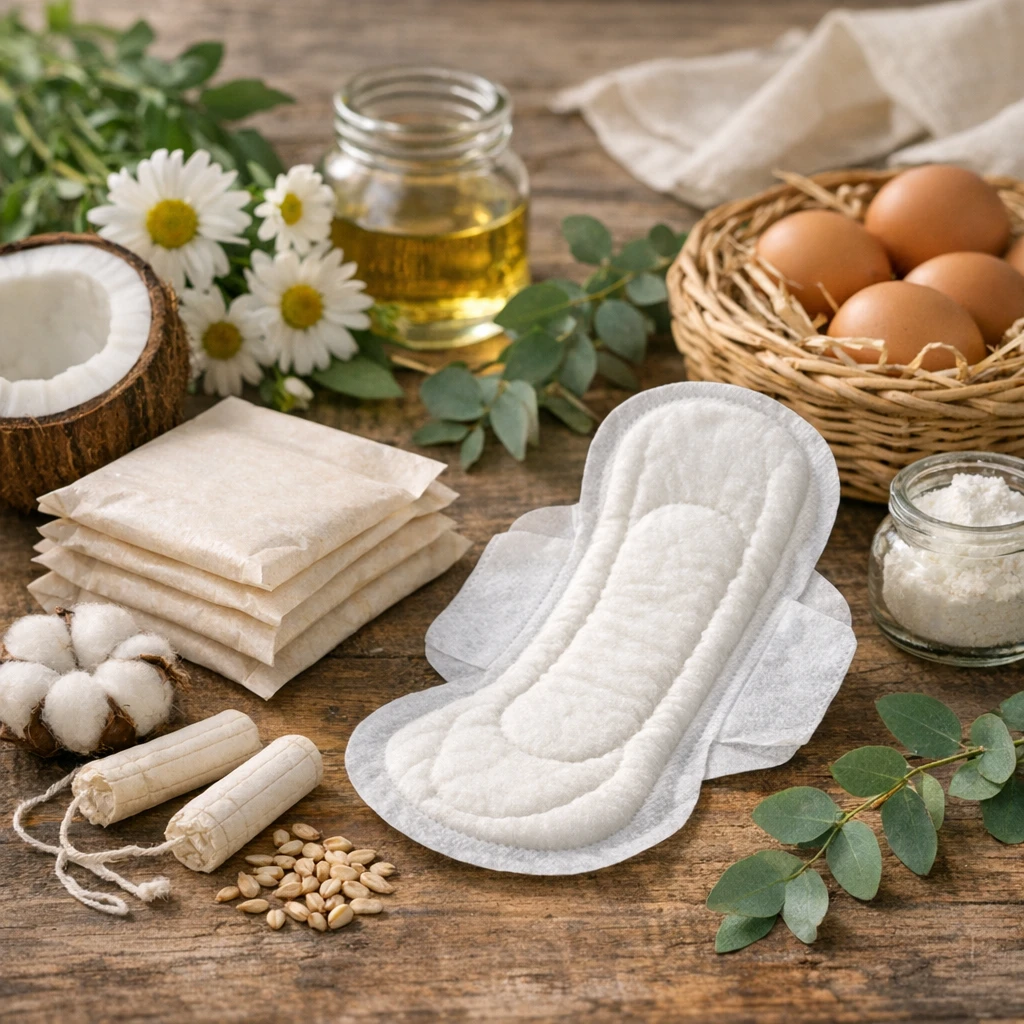
When it comes to menstrual health, the choice of products can significantly impact not only comfort but also overall well-being and the environment. Organic sanitary pads are becoming a popular choice for those looking for a healthier, eco-friendly alternative to conventional options. In this article, we will delve into what makes organic sanitary pads a preferred choice, their benefits, and why they might be the right option for you.
Table of Contents
- Understanding Organic Sanitary Pads
- Composition of Organic Sanitary Pads
- Benefits of Using Organic Sanitary Pads
- Are Organic Sanitary Pads Right for You?
- Considerations When Switching to Organic Pads
- Key Takeaways
- FAQs About Organic Sanitary Pads
- What makes organic sanitary pads different from regular pads?
- Are organic sanitary pads as absorbent as conventional ones?
- Can organic sanitary pads be used during a heavy flow?
Understanding Organic Sanitary Pads
Organic sanitary pads are made from natural materials that are free from chemicals, fragrances, and synthetics typically found in traditional sanitary products. These pads are crafted using organic cotton, bamboo, and other biodegradable materials, ensuring that they are gentle on the skin and better for the environment.
Composition of Organic Sanitary Pads
Typically, these pads consist of:
- Organic Cotton: The top layer that touches your skin is often made from certified organic cotton, known for its softness and breathability.
- Natural Absorbent Core: This layer usually comprises organic cotton or bamboo fiber, providing effective absorbency without the use of superabsorbent polymers.
- Biodegradable Backing: Made from plant starch or similar materials, this layer helps prevent leaks while being environmentally friendly.
Benefits of Using Organic Sanitary Pads
- Healthier for the Body: Since they are free from chemicals and synthetic materials, these pads reduce the risk of rashes, allergies, and other skin irritations.
- Eco-Friendly: Organic pads are biodegradable and compostable, contributing less to landfill waste compared to their plastic-laden counterparts.
- Better Comfort: Natural materials like organic cotton are generally softer and more breathable than the synthetic fabrics used in regular pads, offering greater comfort during your period.
Are Organic Sanitary Pads Right for You?
Choosing the right sanitary product is a personal decision influenced by factors like skin sensitivity, environmental consciousness, and individual menstrual flow. Organic sanitary pads are especially suitable for those with sensitive skin or allergies who react negatively to conventional products. Additionally, if you are someone who prioritizes environmental sustainability, these pads can align with your values by reducing your ecological footprint.
Considerations When Switching to Organic Pads
Before making the switch, consider:
- Cost: Organic pads can be more expensive than regular pads due to the higher cost of natural materials and certification processes.
- Availability: They may not be as widely available as conventional pads, although this is rapidly changing as demand increases.
- Performance: Test them during different days of your cycle to ensure they meet your needs in terms of absorbency and comfort.
Key Takeaways
- Organic sanitary pads offer significant benefits for health, comfort, and the environment.
- They are made from natural, biodegradable materials like organic cotton and bamboo.
- These pads are an excellent choice for those with sensitive skin or allergies, as well as for those who are environmentally conscious.
FAQs About Organic Sanitary Pads
What makes organic sanitary pads different from regular pads?
Organic sanitary pads are made from natural materials and are free from chemicals and synthetic fibers, making them healthier for the body and the environment.
Are organic sanitary pads as absorbent as conventional ones?
Yes, high-quality organic sanitary pads are designed to be just as absorbent as their conventional counterparts, using natural materials like organic cotton and bamboo fibers.
Can organic sanitary pads be used during a heavy flow?
Yes, there are specific varieties designed for heavy flow, ensuring that you can find an organic product that fits your needs throughout your menstrual cycle.
Choosing organic sanitary pads can be a healthier, more comfortable, and eco-friendly way to manage menstrual health. By understanding the benefits and considerations associated with these products, you can make an informed decision that aligns with your health priorities and environmental values.