
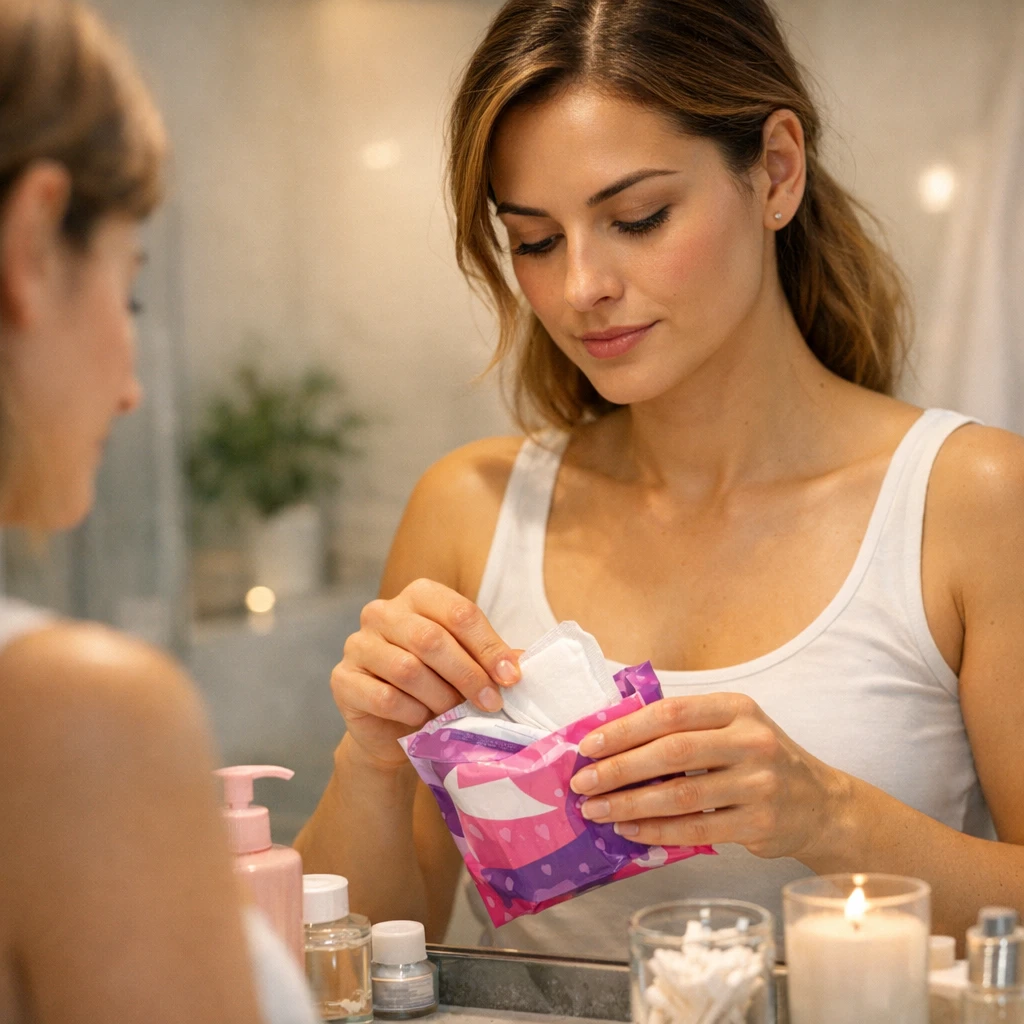
Sanitary pads are absorbent hygiene products designed to manage menstrual flow, offering comfort, protection, and confidence during periods. Used by millions of people worldwide, these disposable or reusable undergarment liners collect menstrual blood and prevent leaks, allowing individuals to go about their daily lives without interruption. Whether you’re at work, school, or exercising, a reliable sanitary pad ensures you stay dry and comfortable throughout your cycle.
Modern sanitary pads come in various sizes, thicknesses, and absorbency levels to suit different flow intensities and lifestyles. From ultra-thin daytime options to heavy-duty overnight variants, there’s a pad for every need. With advancements in materials and design, today’s pads are more breathable, discreet, and skin-friendly than ever before.
Table of Contents
- How Do Sanitary Pads Work?
- Key Components of a Sanitary Pad
- Types of Sanitary Pads Available Today
- Disposable Sanitary Pads
- Reusable Cloth Pads
- Organic and Natural Pads
- Overnight and Heavy-Flow Pads
- How to Choose the Right Sanitary Pad
- Proper Use and Disposal of Sanitary Pads
- Common Myths About Sanitary Pads
- Environmental Impact of Sanitary Pads
- Key Takeaways
- FAQ About Sanitary Pads
- How often should I change my sanitary pad?
- Can sanitary pads cause infections?
- Are reusable sanitary pads hygienic?
How Do Sanitary Pads Work?
Sanitary pads function by absorbing menstrual fluid through a layered structure. The top layer, usually made of soft, non-woven fabric, allows liquid to pass through quickly while keeping the surface dry. Beneath it lies the absorbent core—often composed of wood pulp, superabsorbent polymers (SAP), or a blend—that locks in moisture and prevents leakage.
The bottom layer is a waterproof backing that shields clothing from stains. Adhesive strips on the underside secure the pad to underwear, ensuring it stays in place during movement. Some pads also include wings that fold over the sides of the underwear for added stability and extra leak protection.
Key Components of a Sanitary Pad
- Top sheet: Soft, quick-drying material that touches the skin
- Absorbent core: Traps and holds menstrual fluid
- Back sheet: Waterproof layer to prevent leaks
- Adhesive strips: Keeps the pad firmly attached to underwear
- Wings (optional): Extra flaps for enhanced security
Types of Sanitary Pads Available Today
With evolving consumer needs, the market now offers a wide range of sanitary pad types. Choosing the right one depends on your flow, activity level, and personal preferences.
Disposable Sanitary Pads
The most common type, disposable pads are used once and then thrown away. They are convenient, widely available, and come in various absorbencies—light, regular, super, and overnight. Many brands now offer fragrance-free and hypoallergenic options for sensitive skin.
Reusable Cloth Pads
Made from natural fabrics like cotton or bamboo, reusable pads are eco-friendly and cost-effective over time. They are washable, durable, and often preferred by those seeking sustainable menstrual products. While they require more maintenance, they reduce plastic waste significantly.
Organic and Natural Pads
These pads are made without synthetic chemicals, fragrances, or dyes. Ideal for people with allergies or sensitive skin, organic pads use materials like organic cotton and biodegradable components. They are a growing choice among health-conscious consumers.
Overnight and Heavy-Flow Pads
Longer and more absorbent, these pads are designed for nighttime use or heavy flow days. They often feature extra padding, longer back coverage, and enhanced leak guards to provide maximum protection while sleeping.
How to Choose the Right Sanitary Pad
Selecting the best sanitary pad involves considering several factors. Your menstrual flow, daily activities, and skin sensitivity all play a role in determining the ideal product.
- Flow intensity: Light days call for thin, compact pads; heavy days require high-absorbency options.
- Lifestyle: Active individuals may prefer slim, flexible pads with strong adhesion.
- Skin sensitivity: Choose fragrance-free and chemical-free pads if you have sensitive skin.
- Environmental concerns: Reusable or biodegradable pads reduce environmental impact.
It’s also helpful to try different brands and styles to find what feels most comfortable. Many companies offer sample packs, allowing you to test before committing.
Proper Use and Disposal of Sanitary Pads
Using sanitary pads correctly ensures effectiveness and hygiene. Always wash your hands before and after changing a pad. Remove the adhesive backing and place the pad in the center of your underwear, ensuring full coverage of the vaginal area.
Change your pad every 4 to 6 hours, or more frequently if you have a heavy flow. Prolonged use can lead to bacterial growth and increase the risk of infections like toxic shock syndrome (TSS), although this is rare with pads.
When disposing of a used pad, wrap it in toilet paper or the wrapper of a new pad before throwing it in a trash bin. Never flush pads down the toilet, as they can cause plumbing blockages and environmental harm.
Common Myths About Sanitary Pads
Despite widespread use, several myths surround sanitary pads. Let’s clear up some misconceptions.
- Myth: Pads cause infertility or health issues.
Fact: There is no scientific evidence linking sanitary pad use to infertility or reproductive problems when used properly. - Myth: All pads are the same.
Fact: Pads vary greatly in material, absorbency, and design. Quality and comfort differ significantly between brands. - Myth: Pads are unhygienic.
Fact: When changed regularly and stored properly, pads are safe and hygienic.
Environmental Impact of Sanitary Pads
Traditional disposable pads contribute to plastic pollution due to their non-biodegradable components. A single pad can take hundreds of years to decompose. This has led to increased interest in sustainable alternatives.
Reusable cloth pads, menstrual cups, and biodegradable pads made from plant-based materials are gaining popularity as eco-friendly options. Some companies are also developing compostable pads that break down naturally, reducing landfill waste.
Consumers can make a difference by choosing sustainable products and supporting brands committed to environmental responsibility.
Key Takeaways
- Sanitary pads are essential menstrual hygiene products that offer protection, comfort, and confidence.
- They work through a multi-layered design that absorbs and locks in menstrual fluid.
- Available types include disposable, reusable, organic, and overnight pads—each suited to different needs.
- Choosing the right pad depends on flow, lifestyle, and skin sensitivity.
- Proper use and timely changing are crucial for hygiene and health.
- Sustainable options are available for environmentally conscious users.
FAQ About Sanitary Pads
How often should I change my sanitary pad?
It is recommended to change your sanitary pad every 4 to 6 hours, even if your flow is light. On heavy flow days, you may need to change it every 2 to 3 hours to maintain hygiene and prevent leaks.
Can sanitary pads cause infections?
When used correctly and changed regularly, sanitary pads are safe and do not cause infections. However, leaving a pad on for too long can increase the risk of bacterial growth. Always follow hygiene practices and avoid using scented pads if you have sensitive skin.
Are reusable sanitary pads hygienic?
Yes, reusable cloth pads are hygienic when washed properly. Rinse them in cold water immediately after use, then machine wash with mild detergent. Dry them in sunlight to naturally disinfect the fabric. With proper care, they can last for several years.