
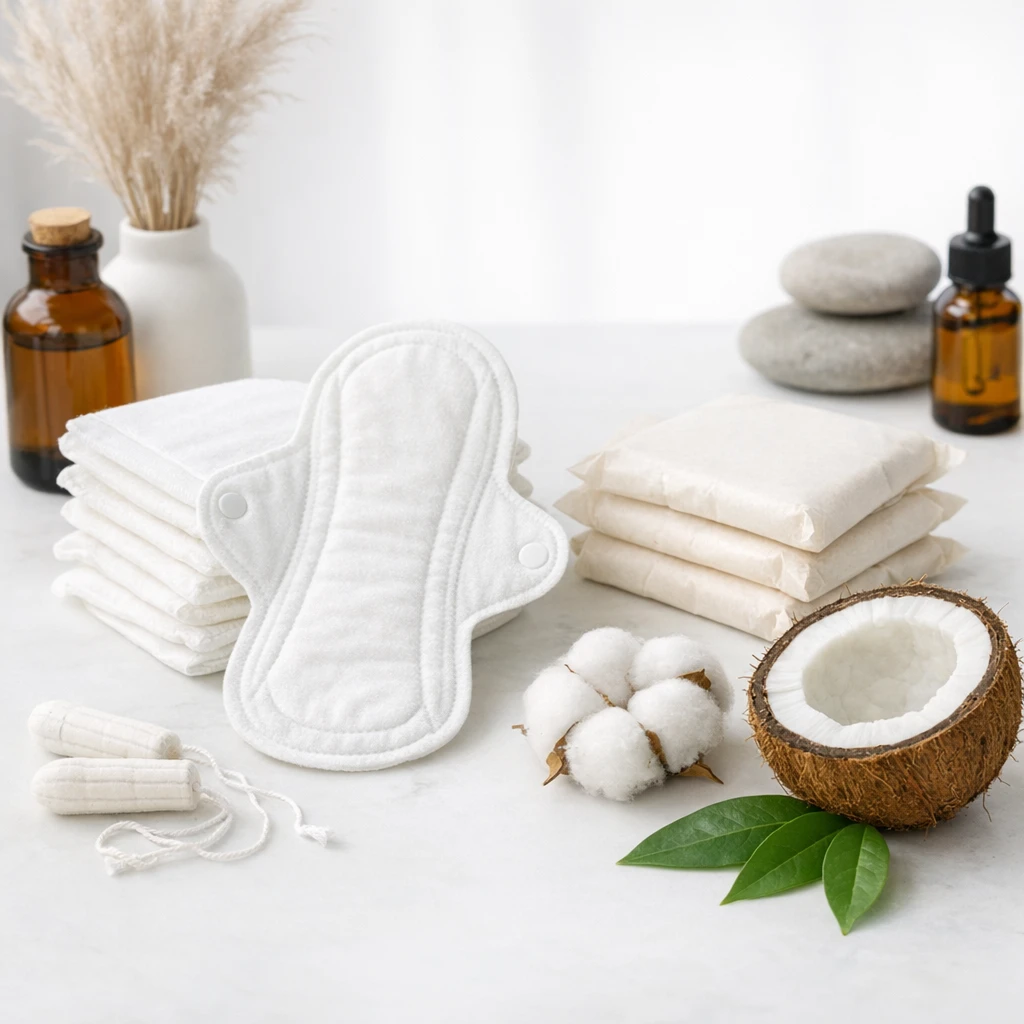
If you’re looking for a safer, more sustainable way to manage your period, organic pads might be the answer you’ve been searching for. Unlike conventional sanitary pads that often contain synthetic materials, fragrances, and chemical additives, organic pads are made from natural, biodegradable materials like organic cotton. They’re designed to be gentle on your skin, better for the environment, and free from harmful toxins commonly found in traditional feminine hygiene products.
More women are making the switch to organic pads not just for health reasons, but also for comfort and environmental responsibility. With growing awareness about what goes into menstrual products, organic pads offer a cleaner, more transparent alternative. Whether you have sensitive skin, allergies, or simply want to reduce your exposure to chemicals, organic pads provide a reliable and eco-friendly solution.
Table of Contents
- Why Choose Organic Pads Over Conventional Ones?
- How Are Organic Pads Made?
- Key Ingredients in Organic Pads
- Environmental Benefits of Using Organic Pads
- Are Organic Pads as Effective as Regular Pads?
- Key Takeaways
- Frequently Asked Questions
- Are organic pads safe for sensitive skin?
- Do organic pads cost more than regular pads?
- Can organic pads be composted at home?
Why Choose Organic Pads Over Conventional Ones?
Conventional sanitary pads often contain plastics, chlorine bleach, synthetic fragrances, and petroleum-based materials. These ingredients can cause irritation, rashes, and even long-term health concerns. In contrast, organic pads are made with certified organic cotton, free from pesticides, GMOs, and artificial dyes.
Here’s what sets organic pads apart:
- Chemical-free materials: No chlorine, parabens, or synthetic fragrances.
- Breathable and hypoallergenic: Reduces the risk of irritation and infections.
- Biodegradable and compostable: Minimizes environmental impact compared to plastic-based pads.
- Soft and comfortable: Natural cotton feels gentle against sensitive skin.
Many users report fewer instances of itching, redness, and discomfort after switching to organic options. For those with conditions like vulvodynia or eczema, organic pads can make a noticeable difference in daily comfort.
How Are Organic Pads Made?
The production of organic pads follows strict environmental and health standards. The cotton used is grown without synthetic pesticides or fertilizers, often under certified organic farming practices. This not only protects the soil and water but also ensures the final product is free from toxic residues.
Manufacturing processes avoid chlorine bleaching, instead using oxygen-based whitening methods. Adhesives and packaging are also chosen for their low environmental impact. Some brands even use plant-based plastics or recyclable materials for wrappers and applicators.
Because organic pads prioritize purity and sustainability, they often come with certifications like GOTS (Global Organic Textile Standard) or OEKO-TEX, which guarantee the absence of harmful substances.
Key Ingredients in Organic Pads
- Organic cotton: The primary absorbent layer, soft and naturally breathable.
- Bamboo fiber: Used in some brands for enhanced absorbency and antibacterial properties.
- Cornstarch-based backing: A biodegradable alternative to plastic leak-proof layers.
- Natural adhesives: Free from synthetic chemicals and safe for skin contact.
Environmental Benefits of Using Organic Pads
Traditional sanitary pads can take hundreds of years to decompose due to their plastic content. A single person may use over 11,000 pads in their lifetime—adding up to a significant amount of non-biodegradable waste. Organic pads help reduce this burden.
Many organic pad brands use compostable materials, meaning the pads can break down naturally in industrial composting facilities. Even the packaging is often plastic-free, using paper or plant-based films instead.
By choosing organic, you’re not only protecting your body but also contributing to a cleaner planet. Fewer chemicals in production mean less pollution in waterways and soil. Plus, supporting organic farming helps promote biodiversity and sustainable agriculture.
Are Organic Pads as Effective as Regular Pads?
Yes—organic pads offer the same level of absorbency and protection as conventional pads. Advances in natural material technology have made it possible to create highly absorbent, leak-proof designs without relying on synthetic polymers.
Many organic pads feature multi-layer constructions with a top layer of soft organic cotton, a highly absorbent core, and a breathable, waterproof backing. Some even include wings and adhesive strips for a secure fit during movement.
Users often find that organic pads feel lighter and more comfortable, especially during long wear. The natural materials allow better airflow, reducing moisture buildup and the risk of bacterial growth.
Key Takeaways
- Organic pads are made from natural, chemical-free materials like organic cotton.
- They are gentler on sensitive skin and reduce the risk of irritation and infections.
- Organic pads are more eco-friendly, often biodegradable and compostable.
- They offer the same absorbency and comfort as traditional pads.
- Look for certifications like GOTS or OEKO-TEX to ensure product authenticity.
Frequently Asked Questions
Are organic pads safe for sensitive skin?
Yes. Because they are free from synthetic fragrances, dyes, and harsh chemicals, organic pads are ideal for people with sensitive skin or allergies. The natural materials reduce the risk of irritation and rashes.
Do organic pads cost more than regular pads?
Organic pads may have a slightly higher upfront cost due to sustainable sourcing and ethical production. However, many users find the health and environmental benefits worth the investment. Prices are also becoming more competitive as demand grows.
Can organic pads be composted at home?
Some organic pads are compostable, but most require industrial composting facilities to break down properly due to mixed materials. Always check the brand’s guidelines. Home composting is possible only if the pad is 100% natural and labeled as home-compostable.