
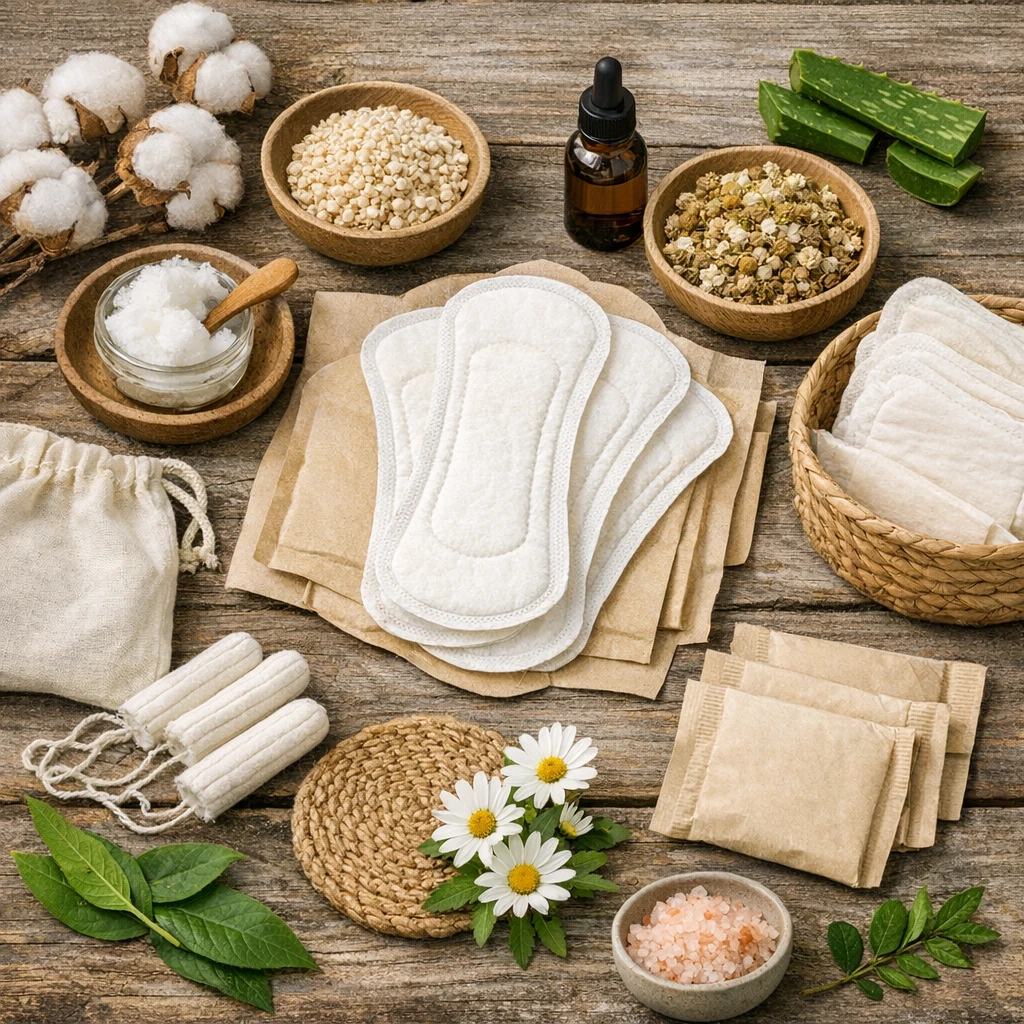
Organic pads have gained significant attention in recent years as more individuals seek eco-friendly and chemical-free alternatives for menstrual hygiene. In this article, we delve into the world of organic pads, exploring their benefits, materials, environmental impact, and how they contribute to a healthier menstrual cycle.
Table of Contents
- The Rise of Organic Pads
- Key Benefits of Organic Pads
- Materials Used in Organic Pads
- Environmental Impact of Organic Pads
- Choosing the Right Organic Pad
- Key Takeaways
- FAQ
- Q: Are organic pads as absorbent as traditional pads?
- Q: Can organic pads cause allergic reactions?
- Q: How do organic pads contribute to environmental sustainability?
The Rise of Organic Pads
Organic pads, also known as natural pads, are sanitary napkins made from organic and biodegradable materials. These pads are free from synthetic chemicals, fragrances, and harmful additives commonly found in traditional pads. The growing awareness about the potential health risks associated with conventional menstrual products has led to a surge in the popularity of organic pads.
Key Benefits of Organic Pads
- Reduced Exposure to Harmful Chemicals: Organic pads are free from chlorine, dioxins, and other toxins commonly found in non-organic pads.
- Biodegradable and Eco-Friendly: Organic pads decompose naturally, reducing environmental pollution and plastic waste.
- Hypoallergenic: The use of natural materials in organic pads makes them gentle on the skin, reducing the risk of irritation and allergic reactions.
- Sustainable Production: Many organic pad brands prioritize sustainable sourcing and ethical manufacturing practices.
Materials Used in Organic Pads
Organic pads are typically made from natural fibers such as organic cotton, bamboo, and corn. These materials are grown without the use of synthetic pesticides or fertilizers, making them safer for both the environment and the consumer. The absence of harsh chemicals in the production process ensures that organic pads are gentle on sensitive skin and reduce the risk of irritation and discomfort.
Environmental Impact of Organic Pads
Switching to organic pads can have a positive impact on the environment. Traditional menstrual products contribute to plastic pollution due to their non-biodegradable components. In contrast, organic pads break down naturally, reducing the accumulation of waste in landfills and oceans. By choosing organic pads, individuals can make a conscious choice to minimize their carbon footprint and support sustainable practices.
Choosing the Right Organic Pad
When selecting organic pads, it is essential to consider factors such as absorbency, comfort, and individual preferences. Experimenting with different brands and styles can help determine the best fit for your needs. Look for certifications such as GOTS (Global Organic Textile Standard) and OEKO-TEX to ensure the authenticity and quality of the organic pads you choose.
Key Takeaways
- Organic pads are natural menstrual products made from organic and biodegradable materials.
- Benefits of organic pads include reduced exposure to chemicals, eco-friendliness, and hypoallergenic properties.
- Materials commonly used in organic pads include organic cotton, bamboo, and corn.
- Switching to organic pads can reduce environmental impact and support sustainable menstruation practices.
FAQ
Q: Are organic pads as absorbent as traditional pads?
A: Organic pads are designed to be just as absorbent as traditional pads, offering reliable protection without compromising on comfort.
Q: Can organic pads cause allergic reactions?
A: Organic pads are hypoallergenic and less likely to cause skin irritation or allergic reactions due to the absence of synthetic chemicals.
Q: How do organic pads contribute to environmental sustainability?
A: Organic pads are biodegradable, meaning they break down naturally and reduce the amount of plastic waste generated by traditional menstrual products.